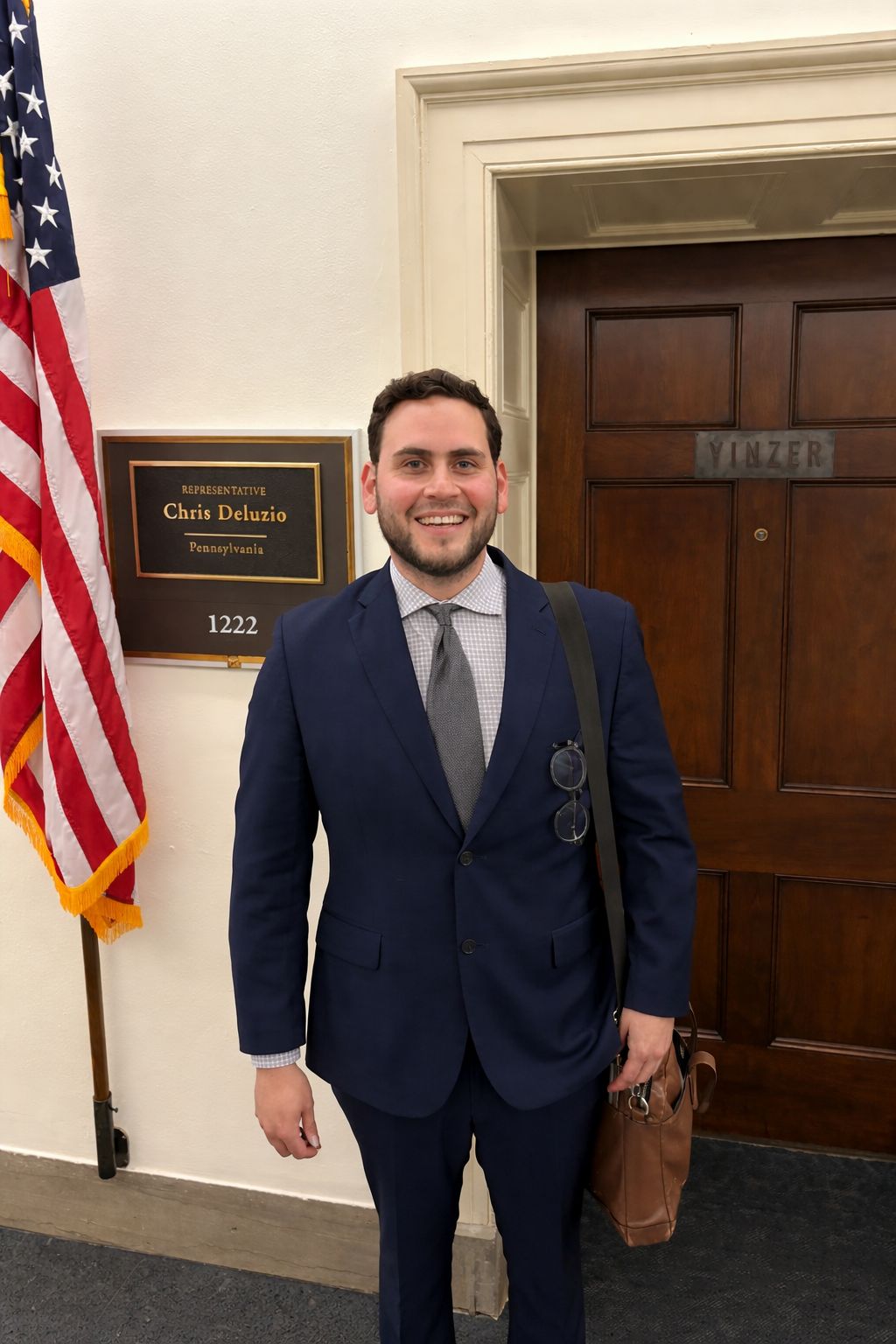
ILMA Advocates for TSCA Reform on Capitol Hill
ILMA representatives have been on Capitol Hill this week advocating for better implementation of the Toxic Substances Control Act (TSCA). Along with the American Chemistry Council (ACC), ILMA and other coalition members have emphasized the need for Congress to reauthorize TSCA user fees while enacting practical reforms that support innovation and strengthen U.S. manufacturing competitiveness.
“TSCA reform will benefit ILMA members by enabling quicker access to new raw materials, allowing lubricant manufacturers to expand the formulation toolbox and bring innovative products to market sooner,” commented ILMA CEO Holly Alfano.
Since passage of the Lautenberg Chemical Safety for the 21st Century Act in 2016, the U.S. Environmental Protection Agency (EPA) has collected user fees to support implementation activities, including testing new chemicals, evaluating existing chemicals, managing data and conducting manufacturer-requested risk evaluations.
These user fees are set to expire in September, creating a critical deadline for Congress. Without reauthorization, the EPA risks losing a vital funding source for timely chemical safety reviews, adding further process delays and regulatory instability to an already overburdened chemicals management system.
ILMA, however, does not support a “clean” fee reauthorization. Targeted improvements are needed to address structural inefficiencies that often lead to overregulation and slow the introduction of new chemistries, directly impacting lubricant manufacturing operations. ILMA’s advocacy focuses on ensuring TSCA implementation is practical, predictable and risk-based, highlighting downstream implications. Key priorities include:
- Risk-Based Regulation: Congress should establish a clear conditions-of-use framework under Section 6 for existing chemicals, directing regulatory attention only to applications that present actual risks while minimizing unnecessary administrative burdens. This approach ensures that risk determinations are not “one-size-fits-all,” preventing the lubricants industry from being subject to overly broad regulations when no conceivable risk has been identified for its operations or products.
- Efficient New Chemicals Reviews: Strengthening Section 5 to promote transparent, efficient and science-driven reviews. This will help manufacturers get access to innovative chemistries more quickly in an evolving market and regulatory landscape.
“Chemical management policy discussions on the Hill often focus solely upstream,” said Alfano. “ILMA ensures the downstream perspective is heard. Lubricants are foundational to the U.S. economy, keeping vehicles, aircraft, agricultural machinery, manufacturing lines and power generation assets operating safely and efficiently. A well-functioning TSCA is not optional—it is essential to delivering safer products, supporting domestic manufacturing and driving sustainable technological advancement and economic growth.”
By reauthorizing user fees and implementing targeted improvements, lawmakers can safeguard chemical supply chains, strengthen U.S. manufacturing, and ensure America remains a global leader in chemical innovation.
ILMA Regulatory Counsel Jorge Roman, who participated in the Hill meetings, added, “Congress has a monumental opportunity to improve TSCA implementation in a way that serves both economic and public health goals. ILMA will continue to highlight the voice of the lubricants sector with members of Congress on both sides of the aisle to ensure they understand all the regulatory and economic implications of TSCA.”